
Shared Joy & Shared Loss: How Collective Emotion Connects Us
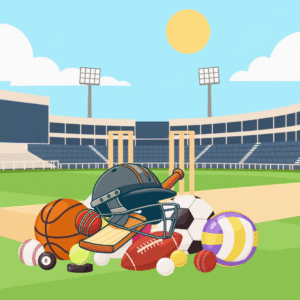
Yesterday morning, as I connected with family and friends, the Blue Jays game (World Series, Game 7) came up repeatedly. It was interesting because I’m not an avid sports watcher, so this isn’t a topic people usually bring up with me. I found myself thinking about how powerful sports can be in creating collective emotion.
Over the past few weeks, I watched those who have been die-hard fans feel elated and enthralled as they saw the possibility of a win. I also noticed those who aren’t regular sports watchers follow closely, some even converting to game watching. While there are some broken hearts after the outcome, even that feels unifying. I know that many people returning to work this week will step into conversations about the game. It’s remarkable to observe how sports can connect us through shared joy and shared loss.
I grew up in a sports family. Weekends meant cricket, sometimes on both days. It was a full experience: waking up early, cooking for “tea time” breaks, though in our West Indian (Indo-Caribbean) culture, tea time was never really for tea. There was usually roti and some kind of curry being made from early morning until game time. Then we would head to the park, we would watch, play and cheer. There was clapping, jeering, and laughter. If we won, we would eat and celebrate. If we lost, we would still gather and eat, reflect, and connect. Both ways there was a sense of togetherness, of belonging to something bigger than ourselves.
In lives that are so busy, where we spend so much time behind screens chasing individual success, especially in North American culture, we can easily become divided. Sports of all kinds and all levels seem to be one of the few remaining spaces that bring people together. Yes, competition can become hostile at times, but there is also an unspoken truth among fans: it’s not over until it’s over, and anything can happen. Everyone cheering for their team knows what the supporters of the other side must be feeling too. Sports are neutral enough to remind us of shared humanity, even when there is rivalry.
I often think about what happens in our nervous systems during these collective moments of anticipation and heartbreak. When we are part of something bigger than ourselves, our bodies sync to that energy. It’s what therapists call co-regulation. Our hearts beat faster together, our dopamine rises together, and even our disappointment settles together. These are the moments that remind us we were never meant to process emotion alone.
I’ve also been reflecting on how this same capacity to feel together shows up beyond sports. Around the world, people are carrying so much, from the recent hurricane in Jamaica to ongoing wars, losses, and crises that fill our news and screens. It can be easy to shut down in the face of so much pain or to feel disconnected and helpless, but when we pause to imagine what others might be feeling, we activate that same human capacity for connection. It’s empathy in action. The same co-regulation that helps us cheer and grieve as a group can help us stay compassionate in the face of suffering.
Whether it’s a playoff game or a global event, joy and loss are universal experiences. They remind us that we are wired for togetherness, to mirror one another’s emotions, to find hope, and to heal through shared presence.
In a world that can feel increasingly divided, collective emotion reminds us of our shared humanity. We all know what it is like to hope, to cheer, to lose, and to start again. The real work is remembering that connection when the crowd goes quiet.
If you’re curious about how human connection impacts our well-being, I recommend Kasley Killam’s TED Talk, Why Social Health Is Key to Happiness and Longevity. It’s a powerful reminder that we are healthiest when we’re connected. https://youtu.be/LpSDuDIaBGk?si=WJ56ouOY-BdlwtCG