
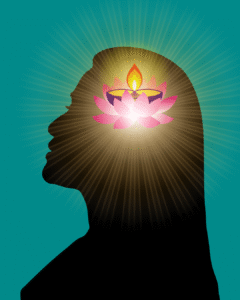
Light and Shadow: A Diwali Reflection on Wholeness
As Diwali approaches, I naturally pause and reflect. The celebration that reveres light also invites us to notice the light within. However, as a therapist, I’m mindful there’s what’s called the shadow self too (the parts of us we keep hidden or pretend aren’t there. So this year, I find myself thinking not only of the light, but of the whole self, the light and the dark.
Today’s share is more personal, including my spiritual context. I feel it’s important to acknowledge, I’m reflecting from the perspective of my lived experience as an Indo-Caribbean woman, Hindu and social worker/psychotherapist. I’m not writing to share a religious teaching or to influence anyone’s beliefs. I’m reflecting on how the traditions and symbols connected to Diwali (light, darkness, and awareness) intersect with mental health and healing.
Many spiritual and cultural practices explore this same duality. However, for those of us whose identities have often been overlooked in mainstream mental health conversations, it feels meaningful to bring language and imagery from my own experiences into the dialogue. I hope that in doing so, it allows us to see our stories reflected in how we speak about wellness and growth, as I know, that sense of recognition can be healing in itself.
Growing up, Diwali was filled with diyas (lamps), prayers, sweets, and celebration. It symbolized light triumphing over darkness and goodness over evil. As I’ve grown older, that meaning has deepened. Light now feels less about perfection or “goodness” in a traditional sense and more about consciousness. While darkness is the unilluminated, unmindful habits, thoughts, actions. Thus Diwali on an individual level can represent the ability to stay aware and to bring gentleness/light to the parts of ourselves we often avoid.
In Hindu philosophy, light represents wisdom and clarity of mind. The Gayatri Mantra, one of Hinduism’s most well-known prayers, asks for illumination of our awareness. This prayer isn’t about removing darkness; it invites light into our minds so we can see with honesty/wisdom and act with discernment. To me, that’s the heart of healing, bringing awareness to what has been unseen or misunderstood within ourselves.
In therapy, we sometimes talk about the “shadow self.” These are the parts we have learned to hide or reject: anger, fear, jealousy, even ambition. They’re not bad or wrong, yet most of us wrestle with them. Somewhere along the line we may have learned, these traits aren’t favourable. From a therapeutic lens, the reality may be, they often formed to protect us, when being fully ourselves didn’t feel safe. When we ignore or actively repress these parts, they can create distress. Active repression is especially painful because it often signals shame.
When we meet these parts with curiosity, they can become sources of insight and resilience. Take jealousy, for example, is often labeled as negative, so someone might believe they “shouldn’t” feel jealous. When the feeling arises, they may experience shame or self-judgment, which turns one emotion into inner conflict. Acknowledging jealousy, on the other hand, can lead to understanding: perhaps it reveals something we admire in another, or something we long to develop. Awareness can shift jealousy into motivation. It’s a simple example, but the main takeaway is that shame keeps us stuck!
The shadow isn’t something to erase, it’s part of the whole. Awareness and acceptance gives us wholeness, reducing inner turmoil, and giving us intentionality in action. Even those seemingly less favourable parts have their place. There are moments that call for firmness or boldness and others that ask for softness or surrender. The work isn’t about choosing one over the other, it’s about noticing what’s needed and responding with intention.
Choosing light isn’t about moral superiority or forced optimism. It’s about awareness, compassion, and choice. It’s remembering that our humanity includes both light and shadow, and that healing comes from welcoming all of who we are.
This Diwali, I hope you find moments of illumination within yourself. May your light guide you toward the parts of you that have been waiting to be seen.